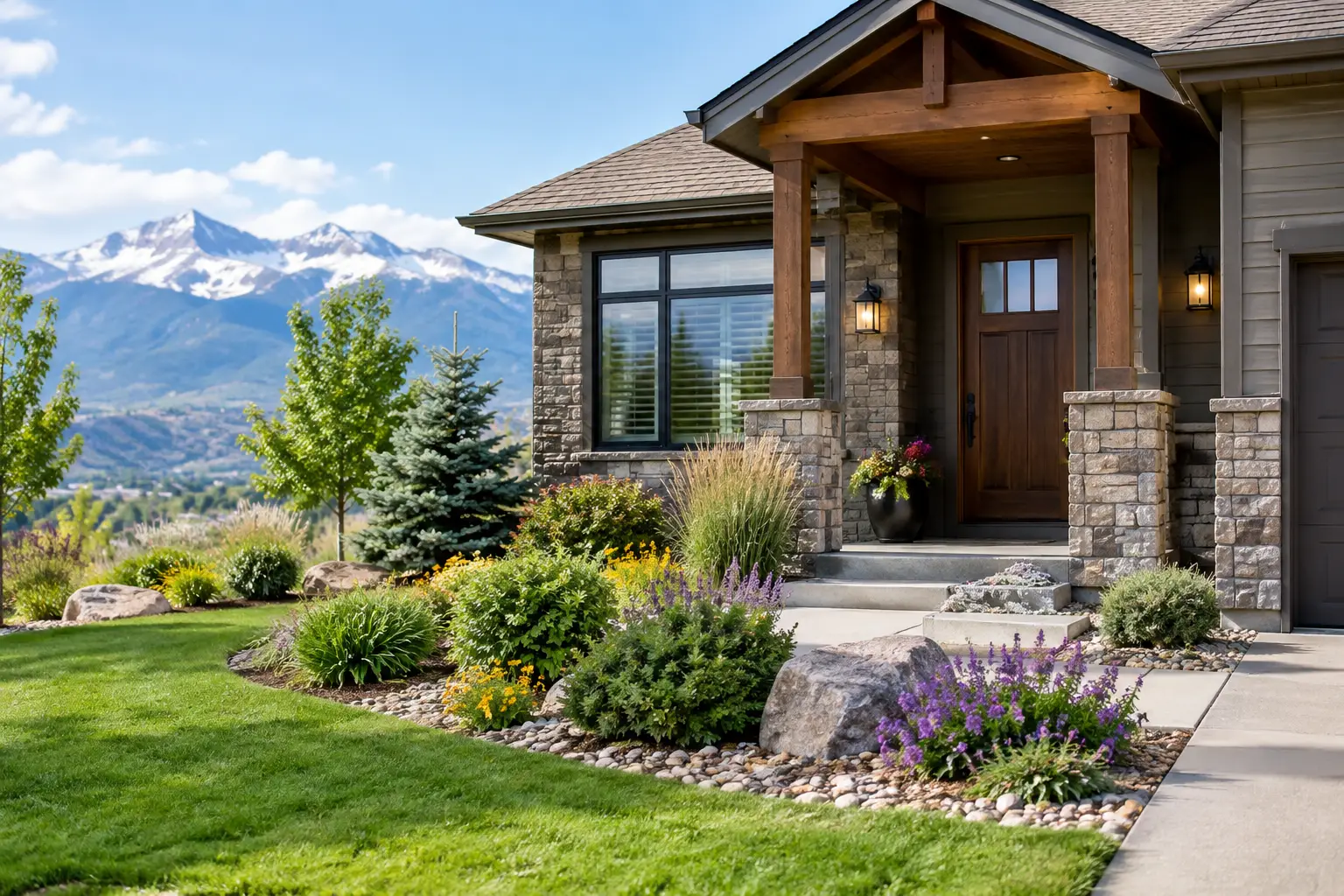
A tired front yard can make an otherwise well-kept home feel unfinished. The best outdoor curb appeal projects do more than create a stronger first impression - they solve everyday problems with water use, safety, drainage, and seasonal upkeep while adding lasting structure to the property.
For homeowners in Parker and nearby communities, the right improvements must also stand up to intense sun, hail, dry stretches, sudden temperature shifts, and winter freeze-thaw cycles. A good curb appeal plan is not about adding the most features. It is about improving the areas people see and use first, then building them with materials and systems suited to Colorado conditions.
Start With the Front Entry
Your entry is where curb appeal becomes personal. Visitors should be able to find the front door easily, walk to it safely, and feel that the space is maintained before they ring the bell.
A refreshed walkway, repaired edging, clean planting beds, and a defined transition from driveway to entry can make a dramatic difference without changing the entire landscape. If the existing path is cracked, narrow, or poorly graded, replacement may provide more value than cosmetic upgrades around it. A stable hardscape surface also helps direct foot traffic away from lawn and planting areas.
Consider the scale of the house when planning this work. A large home with a short, undersized walkway can feel unbalanced, while an expansive path may overwhelm a modest front elevation. The goal is proportion, safe access, and a clear route to the door.
Build a Landscape That Looks Intentional
Foundation plantings should frame a home, not hide it. Overgrown shrubs are one of the most common curb appeal issues because they cover windows, crowd walkways, and create a heavy look near the front of the property.
A thoughtful landscape refresh often includes removing plants that have outgrown the space, improving bed lines, and adding a layered combination of shrubs, ornamental grasses, perennials, and seasonal color. The most successful designs use plants with different heights, textures, and bloom periods. They also leave enough space for mature growth, which reduces future pruning and replacement needs.
Colorado landscapes benefit from water-wise plant choices, but water-wise does not mean bare or monotone. Native and climate-adapted plants can provide color and structure with less demand on the irrigation system once established. Placement still matters. Plants with similar water needs should be grouped together, and high-water selections should be limited to areas where they earn their keep visually.
Refresh Mulch, Rock, and Bed Edges
Fresh mulch or decorative rock immediately makes planting beds look cared for, but it should be treated as a finishing material, not a substitute for healthy soil or good design. Mulch helps moderate soil temperatures and can reduce weed pressure. Rock can offer a clean, low-maintenance appearance, especially in sunny, dry locations.
There are trade-offs. Dark rock can hold heat near plants, and thick layers of any material can interfere with water reaching roots. Defined edging helps keep mulch and rock in place while creating crisp lines that make the entire yard look more organized. Choose materials that complement the home and use them consistently instead of mixing several unrelated colors and textures.
Make the Lawn Look Healthy, Not Overworked
A green lawn can anchor a front landscape, but chasing perfect turf in every corner is not always the best use of water or maintenance effort. Focus first on the most visible areas: the front lawn, the strip along the driveway, and the spaces that connect to the entry.
Healthy turf depends on correct irrigation coverage, proper mowing height, seasonal fertilization, and soil conditions. Brown patches are not always a watering problem. They can result from compacted soil, poor sprinkler distribution, damaged heads, shade, pet activity, or disease. Adding more water without diagnosing the cause may waste water and make the problem worse.
Where grass struggles repeatedly, a redesigned bed, groundcover, or hardscape accent may be a better long-term solution. This is especially true on narrow side strips, steep slopes, and areas affected by reflected heat.
Upgrade Irrigation Before Adding New Plantings
New landscaping only performs as well as the irrigation supporting it. Before installing plants, sod, or fresh mulch, inspect the existing system for broken heads, leaks, poor coverage, and zones that water unlike materials together.
Drip irrigation is often a smart choice for planting beds because it delivers water near the root zone and limits overspray onto concrete, siding, and walkways. Turf areas generally need properly designed spray coverage or high-efficiency nozzles. A controller with seasonal adjustments can help avoid the common mistake of running the same schedule through spring, summer, and fall.
Irrigation improvements may not be the most visible curb appeal project, but they protect the visual investment above ground. A well-maintained system supports healthier plants, reduces runoff, and helps homeowners respond more effectively to changing weather conditions.
Add Outdoor Lighting With a Purpose
Outdoor lighting extends curb appeal past sunset and improves the safety of the property. The most effective front-yard lighting is subtle. It should guide people along paths, define changes in elevation, and highlight architectural or landscape features without shining into windows or creating harsh glare.
Low-voltage path lights are useful along walkways and steps. Carefully aimed uplighting can bring attention to a mature tree, stone feature, or front facade. Downlighting from a tree or structure can create a softer, more natural effect over a path or planting bed.
Avoid placing fixtures in a straight runway pattern or using too many lights at the same brightness. Lighting should create depth and orientation, not make the front yard look like a parking lot. Quality fixtures, secure wiring, and thoughtful placement matter because outdoor systems face moisture, sun, wind, and seasonal maintenance demands.
Correct Drainage Problems Before They Become Visible Damage
Standing water, washed-out mulch, eroded beds, and recurring icy patches near the front walk can all undermine curb appeal. More importantly, they may point to drainage issues that affect planting health, hardscapes, or the home's foundation area.
Downspouts should move water away from the house without sending it across a sidewalk or into a neighbor's property. Grading should encourage water to drain away from structures, while swales, drain lines, or catch basins may be appropriate for persistent trouble spots. The right solution depends on where water begins, where it collects, and how the property slopes.
Drainage is rarely a glamorous upgrade, but it is one of the best outdoor curb appeal projects when it prevents recurring damage. Correcting water movement before installing new landscape features protects both the appearance and performance of the finished work.
Restore and Expand Hardscape Features
Hardscape improvements add permanence to the front of a property. This may mean resetting a sunken paver path, replacing damaged concrete, rebuilding a small retaining wall, or adding a defined border around a driveway or planting bed.
The best choice depends on the home's architecture and the condition of existing surfaces. Pavers can offer flexibility and visual interest, while concrete may provide a clean, simple look. Any material needs a properly prepared base and drainage plan. In Colorado, poor installation can quickly show up as shifting, cracking, or uneven surfaces after winter.
A small seating area or front porch enhancement can also make the property feel more welcoming, provided it does not interfere with entry access or overwhelm the front yard. The most successful hardscape additions look like they were always meant to be part of the home.
Keep Seasonal Maintenance on the Plan
Curb appeal is not a one-time project. Spring cleanup, pruning, irrigation startup, summer monitoring, fall leaf removal, winterization, and occasional touch-ups keep improvements looking finished year after year.
A landscape can decline quickly when shrubs go untrimmed, sprinkler issues are ignored, or leaves and debris remain in beds through winter. Consistent maintenance also helps spot smaller concerns early, before they turn into damaged turf, stressed plants, or drainage issues.
For homeowners who want a coordinated approach, Irrivive Outdoor Property Solutions can align irrigation, landscaping, lighting, drainage, hardscape work, and seasonal care into a plan that supports the whole property. The strongest curb appeal comes from details that continue to work long after the installation is complete.