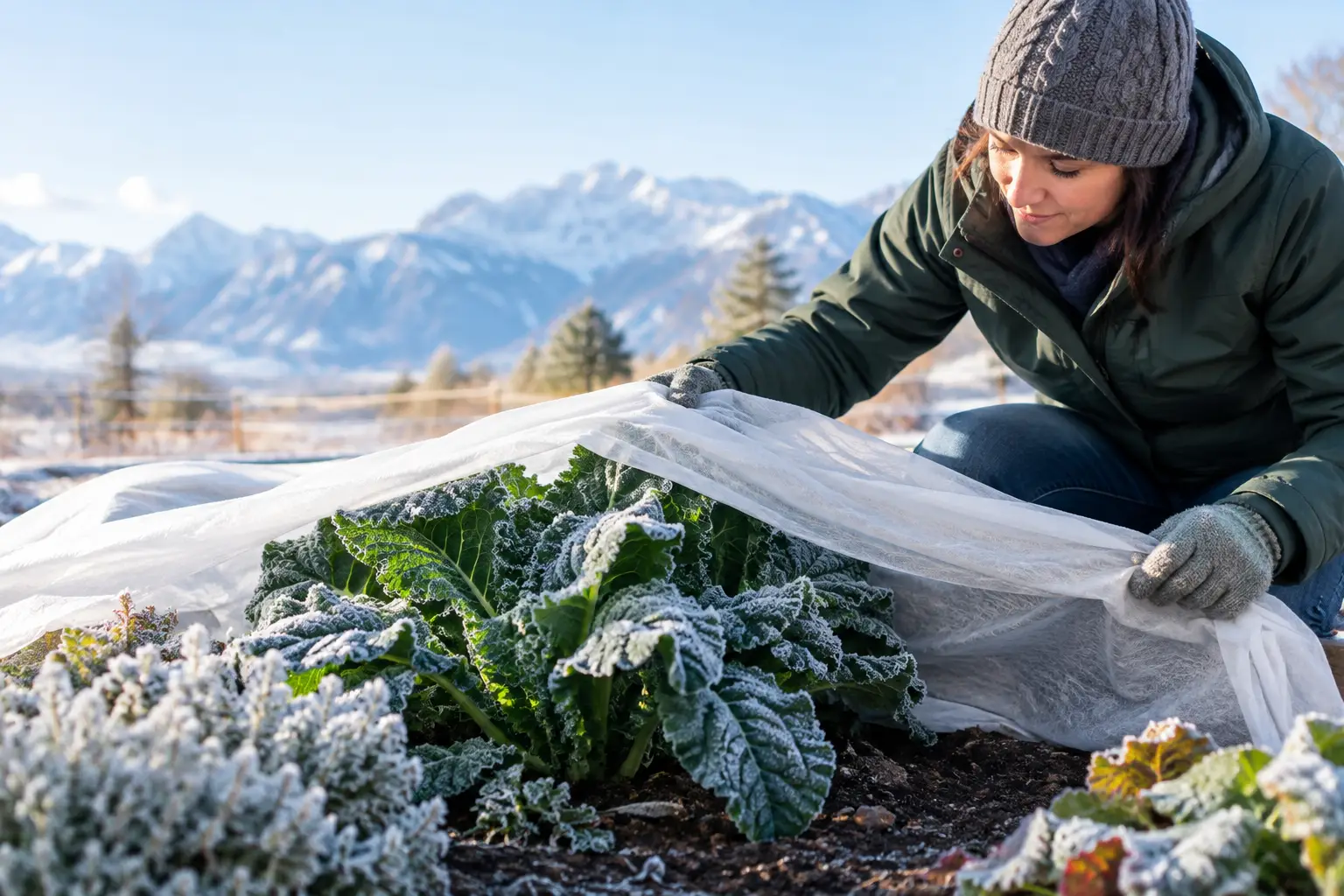
Colorado’s warm afternoons can make a garden look ready for spring, then a clear, still night sends temperatures below freezing. Knowing how to protect plants from frost helps homeowners avoid losing tender flowers, newly planted shrubs, vegetable starts, and fresh growth that has not had time to harden off.
A frost warning is not always a reason to cover every part of the yard. Established trees, mature perennials, and cool-season turf can usually handle a light frost. The focus should be on plants with soft new growth, warm-season annuals, containers, and anything recently planted or moved. A little preparation before sunset can protect the work already put into your landscape.
Know What Kind of Cold Is Coming
Frost and a hard freeze are different, and the response should match the forecast. A light frost generally occurs when air temperatures reach roughly 32 to 36 degrees. It may damage exposed leaves and blooms while leaving established roots and woody stems unharmed. A hard freeze occurs when temperatures stay at 28 degrees or lower for several hours. It can cause more extensive damage, especially to tender annuals, vegetables, and young plants.
Also pay attention to the forecasted low at your property, not only the temperature reported at the airport. Parker, Castle Rock, and other Front Range communities have varied elevations and exposed lots. Cold air settles in low spots, while open yards can lose heat quickly on clear nights. If a forecast calls for temperatures near freezing, treat it seriously when your garden contains tender plants.
Which Plants Need Frost Protection?
Prioritize plants that are actively growing and have limited cold tolerance. This commonly includes petunias, geraniums, impatiens, begonias, coleus, tropical container plants, basil, tomatoes, peppers, squash, and recently installed annual color. Fresh leaves on roses, hydrangeas, fruit trees, and newly planted shrubs can also be vulnerable, even when the mature plant itself is cold hardy.
Cool-season plants such as pansies, violas, snapdragons, kale, lettuce, spinach, peas, and many established perennials tolerate chilly conditions much better. They may look temporarily flat after a cold night but often recover as temperatures rise.
Do not assume a plant is safe just because it survived one cold evening. Repeated freeze-thaw cycles are harder on young plants, particularly when the soil is dry or roots have not fully established. Newly installed landscaping deserves closer attention during its first growing season.
How to Protect Plants From Frost Overnight
The best time to act is late afternoon, after the day has warmed the soil but before temperatures fall. Ground stores heat during the day and releases it overnight. Your goal is to keep that warmth near the plants without trapping damaging moisture or crushing tender growth.
Water the Root Zone Earlier in the Day
Moist soil holds more heat than dry soil, so watering the root zone before a frost can offer modest protection. Water deeply enough to moisten the soil, but do not leave plants sitting in saturated conditions. This is especially useful for garden beds, new shrubs, and perennials that have been planted recently.
Avoid spraying foliage late in the evening. Wet leaves are more susceptible to injury when temperatures drop, and standing water can create other plant health concerns. The goal is evenly moist soil, not a soaked garden.
Cover Plants With Breathable Material
Use frost cloth, old cotton sheets, lightweight blankets, burlap, or other breathable fabric. The cover should extend all the way to the ground so it can hold warmth rising from the soil. Secure the edges with rocks, landscape staples, boards, or pots to keep cold air from moving underneath.
Whenever possible, use stakes, tomato cages, or a simple frame to keep fabric from resting directly on foliage. A cover touching leaves can transfer cold and cause damage at those contact points. This is particularly helpful for tomatoes, peppers, flowering annuals, and shrubs with tender new growth.
Plastic sheeting is not the first choice. It does not breathe, and condensation can freeze against leaves. If plastic is the only material available, place a layer of fabric between it and the plant, keep it elevated above the foliage, and remove it early the next morning.
Move Containers to Shelter
Potted plants are more exposed because their roots are above ground and the potting soil cools quickly. Move containers close to the home, into a protected entryway, under a covered patio, or into a garage for the night when practical. A south- or west-facing wall can provide a few degrees of added warmth because it releases heat stored during the day.
Group containers together rather than leaving them spaced apart. The cluster creates a slightly more protected microclimate, and one larger cover can be placed over the group if needed. Be sure outdoor plants placed in a garage still receive water and are returned outside once temperatures improve.
Remove Covers Promptly in the Morning
Take covers off after temperatures rise above freezing and sunlight reaches the area. Plants need light and air circulation, and too much heat can build beneath a cover on a sunny Colorado morning. If daytime temperatures remain cold and cloudy, frost cloth can stay in place longer, but check that it is not holding excess moisture against the plants.
Protect Trees, Shrubs, and Perennials Without Overdoing It
Established woody plants usually do not need to be wrapped for every spring frost. Their root systems and mature structure give them more resilience than annual flowers or vegetables. Focus protection on young trees and shrubs, recently transplanted material, and plants that have already pushed out soft leaves or flower buds.
A temporary frost cloth cover can help protect a small flowering shrub or young fruit tree. For larger plants, it is often more practical to maintain even soil moisture and apply a proper mulch layer around the root zone. Keep mulch several inches away from trunks and stems so moisture does not sit against the bark.
If leaves or blooms appear dark, limp, or water-soaked after a freeze, resist the urge to prune immediately. Damaged foliage may look worse before it improves, and another cold event can occur. Wait until the weather stabilizes before removing dead material. New growth will show where the plant can recover.
Do Not Forget the Irrigation System
Plant protection is only one part of spring freeze preparation. Once an irrigation system has been activated, exposed components can be at risk during a hard freeze. Hoses, above-ground backflow devices, drip connections, and newly installed irrigation parts should be checked before temperatures fall.
Disconnect and drain garden hoses. If your backflow assembly is exposed, use an appropriate insulated cover designed for that equipment, ensuring it remains dry and secure. Do not wrap a backflow device with materials that trap moisture or interfere with its function. For irrigation systems that need seasonal inspection, repairs, or freeze-related guidance, professional support can prevent a small issue from becoming a larger water or landscape problem.
Irrivive Outdoor Property Solutions helps homeowners keep irrigation and landscapes prepared for Colorado’s changing conditions, with attention to both immediate protection and long-term performance.
After the Frost: Give Plants Time to Recover
A plant that looks damaged at sunrise is not always lost. Wait until temperatures rise, then inspect leaves, stems, and soil. Frost injury often appears as blackened edges, translucent foliage, or wilted growth. Healthy stems may still produce new leaves once warmer weather returns.
Keep the soil evenly moist, but do not overwater in an effort to force recovery. Avoid fertilizer immediately after frost damage because it can encourage tender new growth before conditions are stable. If a warm-weather annual is fully collapsed after a hard freeze, replacement may be the most practical option. For perennials and shrubs, patience is usually the better approach.
Plan Ahead for Colorado’s Unpredictable Frosts
The most reliable protection starts before a warning appears. Keep frost cloth or sheets in an accessible place, save stakes or hoops for quick covers, and avoid planting the most cold-sensitive annuals too early. When choosing new landscape plants, consider their mature hardiness as well as the microclimate in your yard.
A protected bed near the home may warm earlier than an exposed corner of the property, but it can still face overnight cold. Thoughtful plant placement, sound irrigation practices, and a simple frost-response plan make seasonal maintenance easier. When a late cold snap arrives, a calm, timely response gives your landscape the best chance to keep growing beautifully.