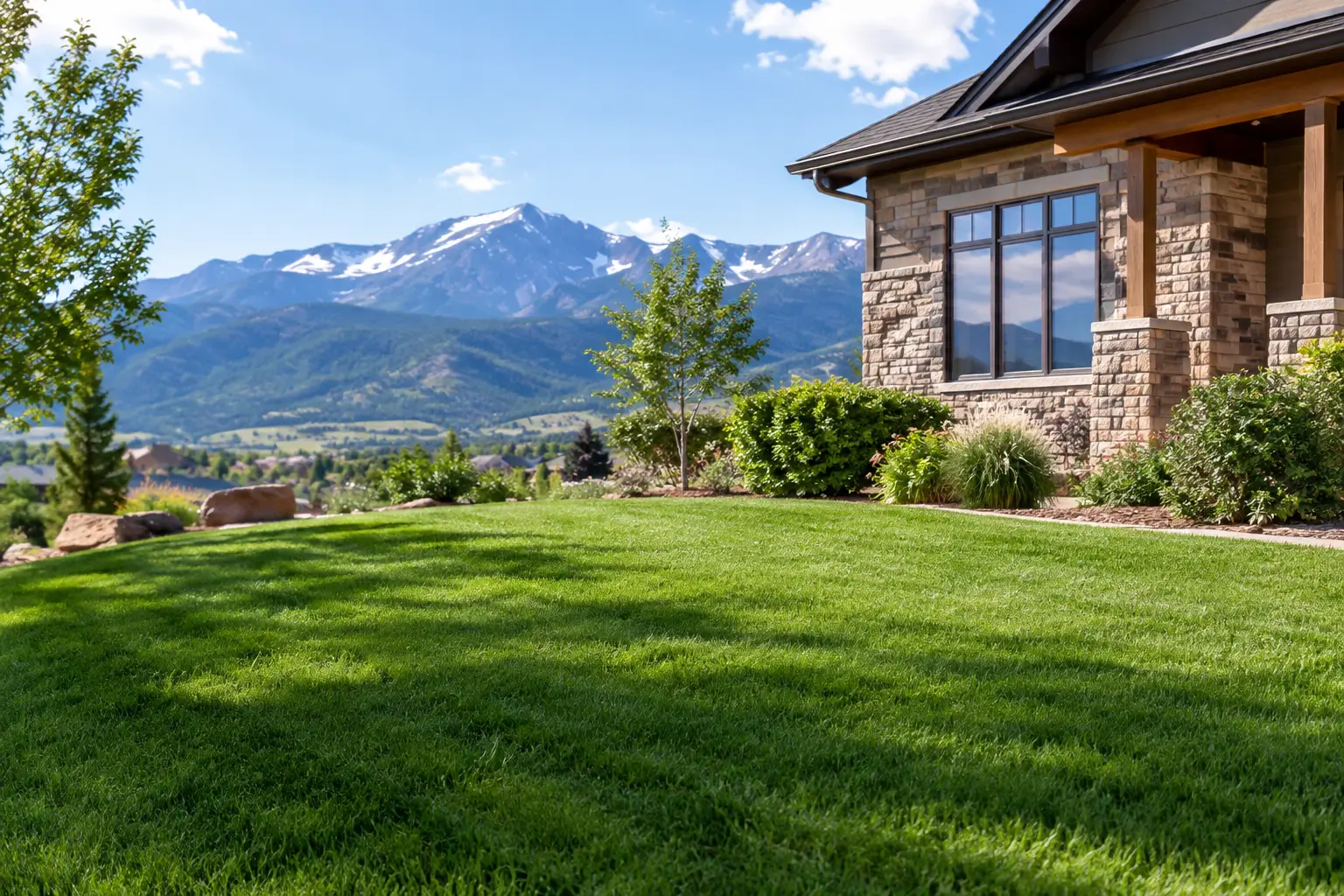
A healthy Colorado lawn is not created by watering more or cutting it shorter. It comes from making timely, measured decisions around irrigation, mowing, soil, and seasonal stress. Good lawn care accounts for intense sun, dry air, sudden weather changes, compacted soil, and the way each property drains. The goal is not a lawn that looks perfect for one week. It is turf that stays dense, resilient, and attractive through the growing season.
Start Lawn Care With Water Management
Water is usually the biggest factor in lawn performance along the Front Range. Grass needs consistent moisture in its root zone, but frequent shallow watering creates weak roots and encourages waste. A lawn that receives a deep, appropriate soak and then has time to dry slightly will generally develop a stronger root system.
There is no single irrigation schedule that works for every yard. Soil type, slope, sun exposure, turf variety, recent rain, and sprinkler coverage all matter. A south-facing section beside concrete may dry quickly, while a shaded area or low spot may hold moisture much longer. Treating those areas the same often leads to dry patches in one place and disease pressure in another.
Water early in the morning whenever possible. Less water is lost to wind and evaporation, and grass blades can dry after the cycle. Evening watering can be necessary in some situations, but keeping turf wet overnight for long periods can contribute to fungal issues.
Check Coverage Before Increasing Run Times
When grass turns brown or thin, the instinct is often to add more water. First, confirm that the system is applying water evenly. Misaligned heads, clogged nozzles, low pressure, leaks, and blocked spray patterns can leave parts of the lawn thirsty while other areas receive too much.
A simple catch-can test can reveal uneven coverage. Place several straight-sided containers across a zone, run the system, and compare the amount collected. Major differences point to an irrigation issue, not necessarily a lawn issue. On slopes or compacted ground, shorter cycle-and-soak watering can also prevent runoff and give moisture time to move into the soil.
Mow for Root Strength, Not Just a Tidy Look
Mowing height has a direct effect on lawn health. Cutting too low removes the leaf surface grass uses to produce energy, exposes soil to more heat, and makes weeds more competitive. For many cool-season lawns common in Colorado, maintaining a moderately taller height during summer heat helps shade the soil and support deeper roots.
Avoid removing more than one-third of the grass blade in a single mowing. If the lawn gets ahead after rain or a vacation, gradually bring it back to the preferred height over more than one mow. Scalping a lawn may look like a quick reset, but it can leave turf stressed for weeks.
Sharp mower blades matter as well. Dull blades tear grass rather than cutting it cleanly, leaving ragged brown tips and making the lawn more vulnerable to stress. Change mowing patterns occasionally to avoid compacting the same wheel tracks and pushing grass in one direction.
Build Health From the Soil Up
Many lawn problems begin below the surface. Colorado soils can be clay-heavy, compacted, low in organic matter, or affected by construction activity. When soil is dense, water may pool or run off instead of soaking in, and roots struggle to access air and nutrients.
Core aeration removes small plugs of soil, creating pathways for water, oxygen, and roots. It is especially helpful for lawns that feel hard underfoot, receive regular foot traffic, or have thatch and compacted clay. Fall is often an excellent time for aeration because turf is recovering from summer stress and preparing for cooler growing conditions.
Overseeding after aeration can help fill thin areas, provided the lawn receives the right seed mix and follow-up moisture. Seed selection should match the property conditions. A blend that performs well in full sun may not be the best choice under mature trees or on a heavily used lawn. Establishment takes patience. New seed needs consistent care at first, then a gradual transition to deeper, less frequent irrigation as roots develop.
Fertilizer should be based on what the lawn needs, not simply a date on the calendar. Excess fertilizer can create fast, weak growth and increase mowing demands. Too little can leave turf pale and unable to recover from traffic or weather stress. A soil test provides a clearer starting point, particularly for lawns with recurring thin spots, poor color, or uneven growth.
Prevent Weeds by Growing Dense Turf
The best long-term weed strategy is a thick, healthy lawn. Dense grass competes for sunlight, water, and space, leaving fewer openings for broadleaf weeds and unwanted grasses. Proper mowing height, efficient irrigation, and soil improvement all play a role.
Still, weeds often take hold where turf is already struggling. Look for the underlying cause before treating the visible problem. Repeated weeds in the same area may point to broken irrigation coverage, compacted soil, pet traffic, too much shade, or a drainage concern. Removing weeds without correcting those conditions usually creates a cycle of short-term results.
Timing matters with weed control. Addressing weeds while they are actively growing is generally more effective than waiting until they are mature and producing seed. Spot treatment is often preferable to broad applications when weed pressure is limited. It reduces unnecessary product use and keeps the focus on restoring healthy turf.
Adjust Lawn Care Through Colorado's Seasons
A lawn needs different attention in spring than it does in late summer or fall. Seasonal maintenance keeps small issues from becoming larger repairs.
Spring: Inspect and Prepare
As the lawn wakes up, inspect irrigation components before regular use. Look for damaged heads, leaks, poor coverage, and areas affected by winter drying. Rake away debris, mow only when the grass is actively growing, and avoid working saturated soil. Heavy equipment or frequent foot traffic on wet ground can deepen compaction.
Spring is also the time to notice bare areas, but not every thin spot needs immediate seeding. Cool nights, fluctuating temperatures, and competing weeds can make spring establishment more difficult. Determine whether the area needs seed, irrigation correction, drainage work, or soil improvement first.
Summer: Protect Against Heat and Stress
Summer lawn care is about protecting what is established. Raise mowing height slightly during hot, dry periods. Monitor irrigation instead of relying entirely on a controller schedule. Rainfall may reduce the need for watering, while hot wind and high temperatures can quickly dry exposed areas.
Watch for localized dry spots, especially near pavement, on slopes, and at the edges of sprinkler zones. If water beads on the surface or runs off, the issue may be compaction or dry soil that needs slower application rather than more total water. Keep mower blades sharp and limit unnecessary traffic during severe heat.
Fall: Repair and Strengthen
Fall offers a valuable window for core aeration, overseeding, and soil-focused work. Cooler temperatures reduce stress on cool-season turf, while warm soil supports root development. Continue watering as needed after seeding or aeration, then adjust gradually as weather changes.
Do not turn irrigation off based only on the calendar. Continue monitoring conditions until freezing temperatures make winterization necessary. A professional irrigation blowout helps protect pipes, valves, and backflow components from freeze damage.
Winter: Avoid Winter Drying
Dormant grass still needs attention in Colorado. Extended dry, windy periods without snow cover can cause winter desiccation, especially in exposed areas. When temperatures are safely above freezing and local watering guidelines allow it, occasional winter watering may help protect turf and landscape plants.
Keep foot traffic light on frozen or dormant grass. Repeated traffic can damage brittle blades and compact soil. This is also a good season to plan repairs, landscape updates, drainage improvements, or irrigation adjustments before spring demand begins.
Know When a Lawn Problem Needs a Closer Look
Some lawn issues are simple maintenance corrections. Others point to a larger property condition. Persistent standing water can indicate drainage problems. Repeated dry strips may signal poor irrigation design or a pressure issue. Turf that declines beneath trees may need a different maintenance approach, selective pruning, or a landscape alternative better suited to shade and root competition.
A dependable lawn care plan connects these systems instead of treating each symptom separately. Irrigation, drainage, soil, mowing, and landscape conditions all affect the finished result. That broader view is how homeowners protect curb appeal while using water responsibly and avoiding repeated patchwork fixes.
For homeowners in Parker and nearby communities, Irrivive Outdoor Property Solutions approaches lawn health as part of the complete outdoor property. A well-maintained lawn should support the way you use your yard, complement the landscape, and remain dependable through Colorado's changing seasons.