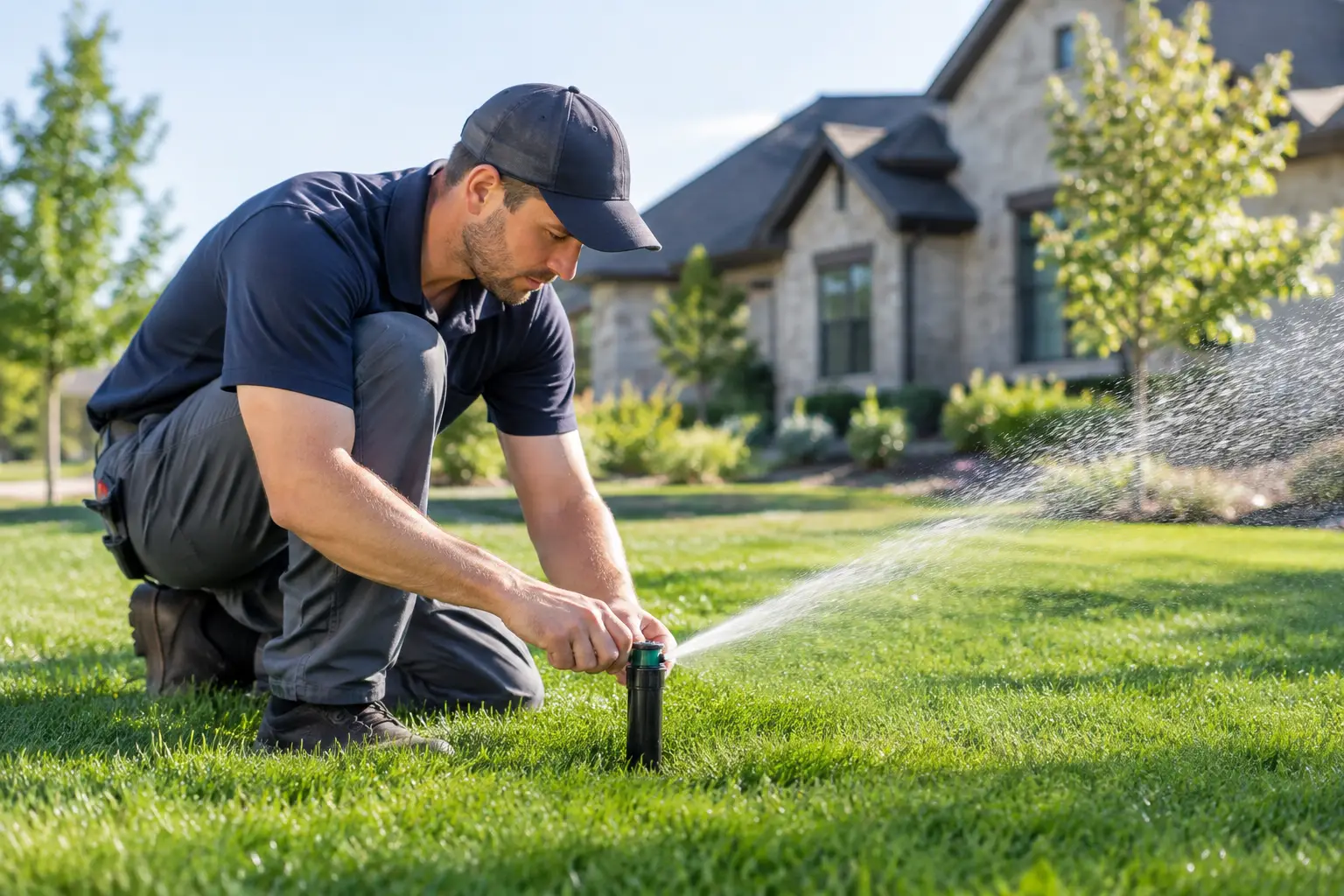
A green lawn can hide a sprinkler problem for weeks. A zone may run, but uneven pressure, a buried leak, or a misaligned nozzle can quietly waste water while leaving parts of the landscape stressed. Professional sprinkler service Lone Tree homeowners rely on should look beyond the obvious and address the condition of the entire irrigation system.
Colorado landscapes depend on irrigation that is properly adjusted for changing weather, soil conditions, plant material, and seasonal water needs. A system that worked well in spring may need a different approach during a hot, dry stretch in July. The goal is not simply to keep sprinklers running. It is to deliver water where it belongs, protect your landscape investment, and prevent small issues from becoming larger repairs.
Sprinkler Service Lone Tree: What to Watch For
Most irrigation systems give homeowners early signs when something is not working as it should. Catching those signs promptly can protect turf, shrubs, hardscape, and foundations from unnecessary water exposure.
Look for wet spots that remain after the rest of the lawn dries, water running across sidewalks or driveways, unusually dry patches, or sprinkler heads that do not rise and retract correctly. A sudden drop in water pressure, a zone that will not shut off, or an irrigation controller that skips its schedule also deserves attention.
These problems can have different causes. A dry area may be caused by a clogged nozzle, poor head spacing, compacted soil, a damaged pipe, or a valve issue. Water pooling near a sprinkler head may point to a broken fitting, a leaking valve, or a head positioned too low in the soil. Guesswork can lead to repeated adjustments without fixing the real problem, which is why a thorough system inspection matters.
Uneven Coverage Is More Than a Cosmetic Issue
Brown areas in an otherwise healthy lawn are often treated as a watering-schedule problem. Sometimes they are. Just as often, the issue is coverage. Wind, plant growth, lawn settling, and accidental damage from mowing or edging can change how water reaches the landscape.
Sprinkler heads should be positioned to cover their intended areas without spraying onto fences, siding, patios, or pavement. Proper coverage helps turf establish stronger roots and gives shrubs and planting beds the moisture they need without oversaturating them. It also supports a cleaner, more polished appearance across the property.
What a Professional Irrigation Visit Should Include
A quality service visit begins with more than replacing a visible broken head. A technician should operate the system zone by zone, observe spray patterns, check for leaks, and identify whether the issue is isolated or connected to a larger system concern.
The irrigation controller should also be reviewed. Programming needs to reflect the season, local weather, sun exposure, and the type of plants being watered. Lawns, established trees, shrubs, and flower beds do not always need the same run times or frequency. If every zone is programmed identically, some portions of the property may receive too much water while others receive too little.
A complete assessment may include checking valves, wiring, rain sensors, backflow components, drip irrigation, nozzles, rotors, and zone pressure. These details work together. Replacing a nozzle may improve one area, but it will not solve a pressure problem or an underground leak affecting the entire zone.
Reliable workmanship also matters after the repair is complete. Heads should be set at the right grade, fittings should be secure, and disturbed soil or turf should be left neat. Irrigation repairs are part of your visible outdoor space, not just a mechanical task hidden underground.
Seasonal Care Protects the System
Colorado weather puts irrigation systems through a demanding cycle. Spring activation, midseason adjustments, and fall winterization each serve a different purpose. Skipping one of these steps can affect both landscape health and system longevity.
Spring Activation and Inspection
When a system is turned on after winter, every zone should be checked carefully. Freeze-thaw movement can affect fittings, valves, and heads, while winter damage may not be visible until water begins moving through the lines. Spring is also a good time to correct tilted heads, replace damaged components, and adjust coverage before high-demand summer weather arrives.
Starting the season with an inspection gives homeowners a clearer picture of system performance. It is easier to make thoughtful adjustments early than to react after a lawn develops dry spots or a leak wastes water for an extended period.
Summer Adjustments for Colorado Conditions
Irrigation settings should not remain fixed all summer. Lone Tree properties can have significant differences in sun exposure, slope, soil, and wind. A sunny lawn along a south-facing area may need a different schedule than a shaded side yard or a protected planting bed.
Watering in the early morning generally reduces evaporation and gives water time to soak into the soil. However, the right schedule still depends on the system, landscape, and current conditions. Longer run times are not always better. If water begins running off before it can penetrate the soil, cycle-and-soak scheduling may be a better solution than adding more minutes to one continuous run.
Fall Winterization Is Essential
A proper winterization removes water from the irrigation lines before freezing temperatures can cause damage. Colorado cold snaps can arrive quickly, and even a small amount of trapped water may create a problem when it expands inside a pipe, valve, or backflow assembly.
Winterization should be handled with the right equipment and a careful process. The objective is to protect the full system, not simply turn off the controller. A well-prepared system is more likely to be ready for a smooth spring startup.
Water Efficiency Starts With Smart Design and Maintenance
Water efficiency is not about depriving a landscape of what it needs. It is about applying the right amount of water, in the right place, at the right time. That requires a system designed and maintained around the property rather than a one-size-fits-all schedule.
For example, drip irrigation can be an excellent choice for many planting beds because it applies water close to the root zone. It is not automatically the best answer for every area. Turf commonly needs a different delivery method, and existing plant material, soil conditions, and access all affect the right solution.
Upgrading nozzles, correcting head spacing, repairing leaks, and adjusting controller programming can make a meaningful difference without changing the entire system. In other cases, recurring issues may indicate that a section of the irrigation layout needs improvement. An honest evaluation should explain the condition of the system and recommend work based on long-term performance, not a quick temporary fix.
When Irrigation Problems Affect More Than the Lawn
Sprinkler issues can affect more than grass. Overspray can stain fences, contribute to slippery walkways, and create unnecessary moisture near foundations. A leak in a planting bed can weaken soil around edging or hardscape features. Poor drainage combined with excessive irrigation can leave areas muddy, thin out turf, and create conditions that make outdoor spaces less enjoyable.
This is where a full-property perspective is valuable. Irrigation, drainage, landscaping, lawn care, and hardscape features influence one another. Correcting a watering issue may require a nozzle adjustment, but it may also reveal a drainage concern, compacted soil, or a planting area that needs a more appropriate irrigation approach.
Homeowners who take pride in their property benefit from service that considers these connections. The best solution protects landscape health while supporting curb appeal, outdoor function, and lasting value.
Choosing Dependable Sprinkler Service
When selecting an irrigation professional, look for clear communication and a methodical approach. You should understand what is causing the issue, what work is recommended, and how the repair or adjustment will improve system performance. Quality service does not rely on vague explanations or unnecessary complexity.
It also helps to work with a provider that understands Colorado landscapes and the broader needs of an outdoor property. At Irrivive Outdoor Property Solutions, irrigation care is approached as part of a complete outdoor environment, with attention to water efficiency, landscape health, craftsmanship, and dependable seasonal maintenance.
A well-maintained sprinkler system should make your property easier to enjoy, not add another item to your weekend list. If you notice uneven watering, pooling water, broken heads, or recurring dry areas, addressing the concern early can help keep your landscape healthy through the season and ready for the next one.