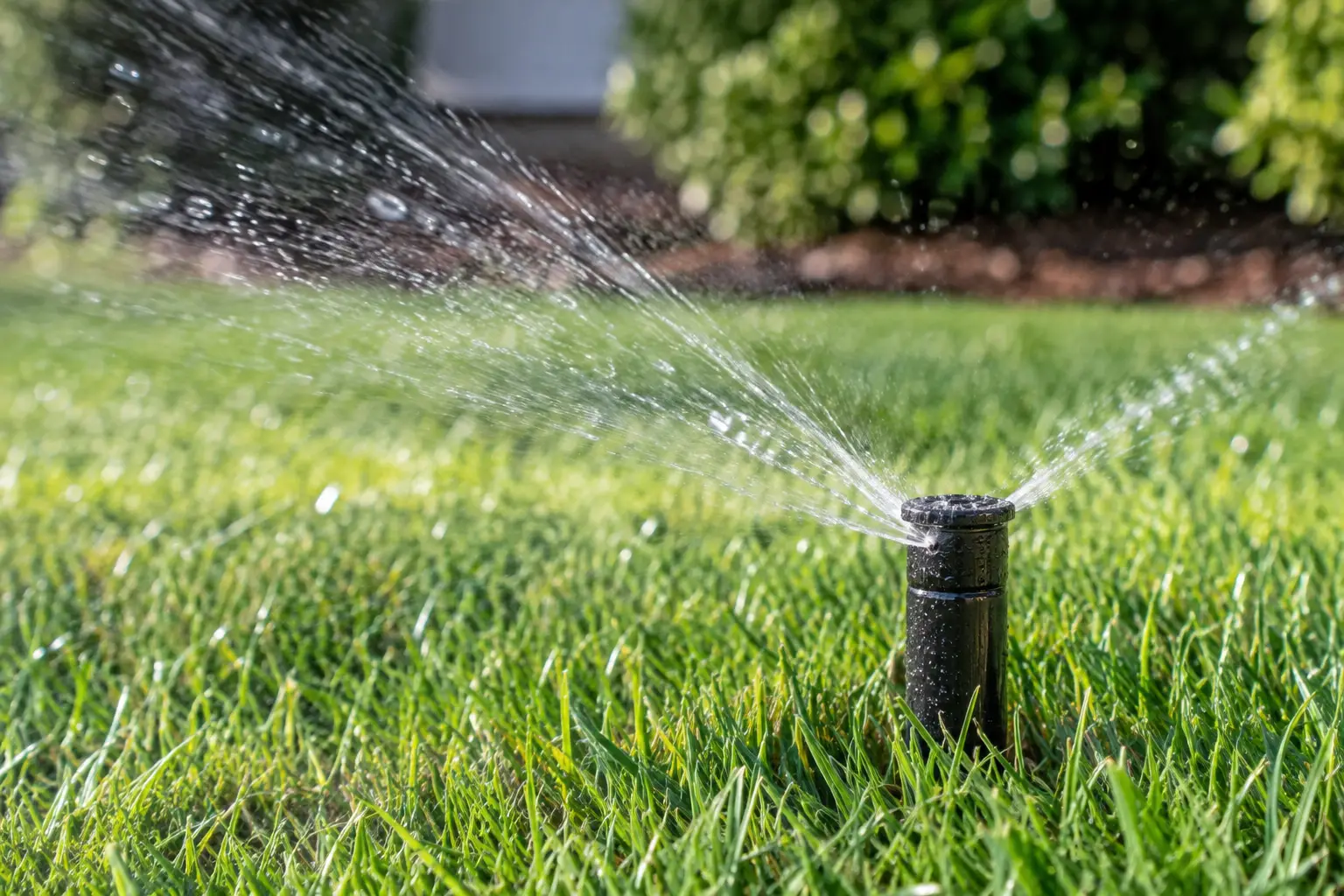
A sprinkler head that spits, coughs, or sprays in short bursts is more than an annoyance. If you are asking, “why are sprinkler heads sputtering,” the system may be warning you about trapped air, a pressure problem, a clog, or a hidden leak. Left alone, uneven spray can create dry grass, overwatered spots, wasted water, and unnecessary stress on shrubs and landscape beds.
A brief sputter at the beginning of a watering cycle can be normal, especially after irrigation startup. Persistent sputtering, however, deserves a closer look. The key is identifying whether the issue affects one sprinkler head, one zone, or the entire system.
Why Are Sprinkler Heads Sputtering? Start With the Pattern
Before adjusting anything, run the affected zone and watch it for a full minute or two. Notice whether the problem is isolated or widespread. One sputtering head usually points to a local obstruction, damage, or poor installation at that head. Several sputtering heads on the same zone more often indicate a water-pressure issue, a valve concern, or a leak in the zone line.
Also look at what the head does between bursts. Does it spray weakly the entire time? Does it spray normally and then lose pressure? Does water bubble around the base of the head? Those details help narrow the cause and prevent a small repair from becoming a recurring lawn problem.
Common Causes of Sputtering Sprinkler Heads
Air in the irrigation line
Air pockets are common after a system has been winterized, repaired, or shut down for an extended period. As water moves through the pipes, it pushes air toward the sprinkler heads. That air can cause sputtering until the line clears.
If the sputtering stops after a few minutes of operation and does not return, there may be no repair needed. If it continues through several watering cycles, air is likely entering the line somewhere it should not. A damaged fitting, cracked pipe, loose connection, or failing valve component can allow air into the system and should be inspected.
A clogged nozzle or filter
Colorado irrigation systems collect debris. Dirt can enter an open sprinkler during landscaping work, while small pieces of pipe, mineral buildup, or organic material can move through the line. Many spray heads and rotors also have filters beneath the nozzle that can become blocked.
A clogged nozzle often produces an irregular, misty, weak, or off-center pattern rather than a smooth fan of water. The head may sputter because water cannot move freely through the nozzle. Cleaning the nozzle and filter can resolve the issue, but use care when taking the head apart. A missing filter, stripped nozzle, or incorrectly matched nozzle can create a new coverage problem.
Damaged sprinkler heads
Sprinkler heads take a lot of abuse. Mowers can clip them, foot traffic can crack the casing, and soil movement can leave them tilted, too low, or too high above the grade. A damaged head may not seal correctly, may leak around the riser, or may struggle to pop up fully.
Watch for water pooling around the head while it runs. A small amount of water near a spray head can be normal, but a steady bubbling or gushing leak is not. If the body is cracked or the riser is worn, replacing the head is usually more reliable than trying to force a temporary repair.
Low pressure in the zone
Sprinkler heads need consistent pressure to distribute water properly. When pressure is too low, spray heads may dribble or sputter, while rotor heads may fail to rotate, throw a short distance, or stop partway through their pattern.
Low pressure can have several causes: a partially closed shutoff valve, a zone valve that is not opening fully, a damaged pressure regulator, too many heads on one zone, or a leak that is allowing water to escape before it reaches the sprinklers. Because these issues can overlap, changing nozzles or adjusting heads without diagnosing the cause may only mask the problem.
A leak in the pipe or fittings
A buried leak is one of the most important reasons to investigate a sputtering zone. Water escaping underground reduces the pressure available to the sprinkler heads. You may see one weak head, several weak heads, or an entire zone that performs poorly.
Signs of a possible underground leak include unusually wet soil, a soft or sunken patch of lawn, water appearing at the lowest point in the yard, or water running after the zone has shut off. In some cases, the leak is near a sprinkler fitting and becomes visible only while that zone is operating.
Leaks deserve prompt attention. Beyond wasting water, they can undermine hardscape edges, wash soil away from plant roots, and make sections of a lawn difficult to maintain.
A valve that is partially opening or failing
Each irrigation zone relies on a valve to open fully and deliver water at the proper flow. If a valve diaphragm is damaged, debris is caught inside the valve, or an electrical issue prevents it from opening correctly, the zone may receive only partial flow.
This can look similar to a leak or clogged heads. The difference is that every head on the zone may show weak, inconsistent performance. A valve problem is usually best evaluated by an irrigation professional, particularly when wires, solenoids, or underground valve boxes are involved.
A Safe Homeowner Check Before Calling for Repair
You do not need to disassemble the entire system to gather useful information. Start by running one affected zone during daylight and walking the area slowly. Check whether heads are fully extended, straight, and free of grass or mulch. Look for wet spots, bubbling water, damaged caps, and spray patterns that do not reach their intended coverage area.
If one head is clearly clogged, turn off the zone before lifting the nozzle or filter for cleaning. Rinse components with clean water rather than using sharp tools that can enlarge a nozzle opening. Once reassembled, run the zone again and compare the pattern to nearby heads.
It is also worth checking that the irrigation system's main shutoff and any visible control valves are fully open. Do not force a valve that feels stuck, and avoid adjusting the backflow assembly. Those components protect the water supply and require correct handling.
When Sputtering Signals a Larger Irrigation Issue
Call for professional irrigation service when sputtering affects multiple heads, returns after cleaning, or comes with visibly wet ground, declining lawn areas, or poor zone pressure. Those symptoms often require locating a leak, testing valve performance, correcting pressure, or repairing buried components.
Spring startup is an especially valuable time to address these concerns. Freezing temperatures, soil movement, and winter shutdown can expose weak fittings or damaged heads that were not obvious the previous season. Catching problems early helps the system deliver more uniform water as summer heat arrives.
For homeowners in Parker and nearby Front Range communities, proper irrigation performance matters because our dry climate leaves little room for uneven coverage. A system that sputters can leave turf stressed in one area while oversaturating another. Correcting the underlying cause supports healthier roots, better curb appeal, and more efficient water use.
A well-functioning sprinkler system should deliver a steady, intentional pattern from every zone. If yours is sputtering, treat it as a useful signal: a careful inspection now can protect the lawn and landscape you have worked hard to maintain.