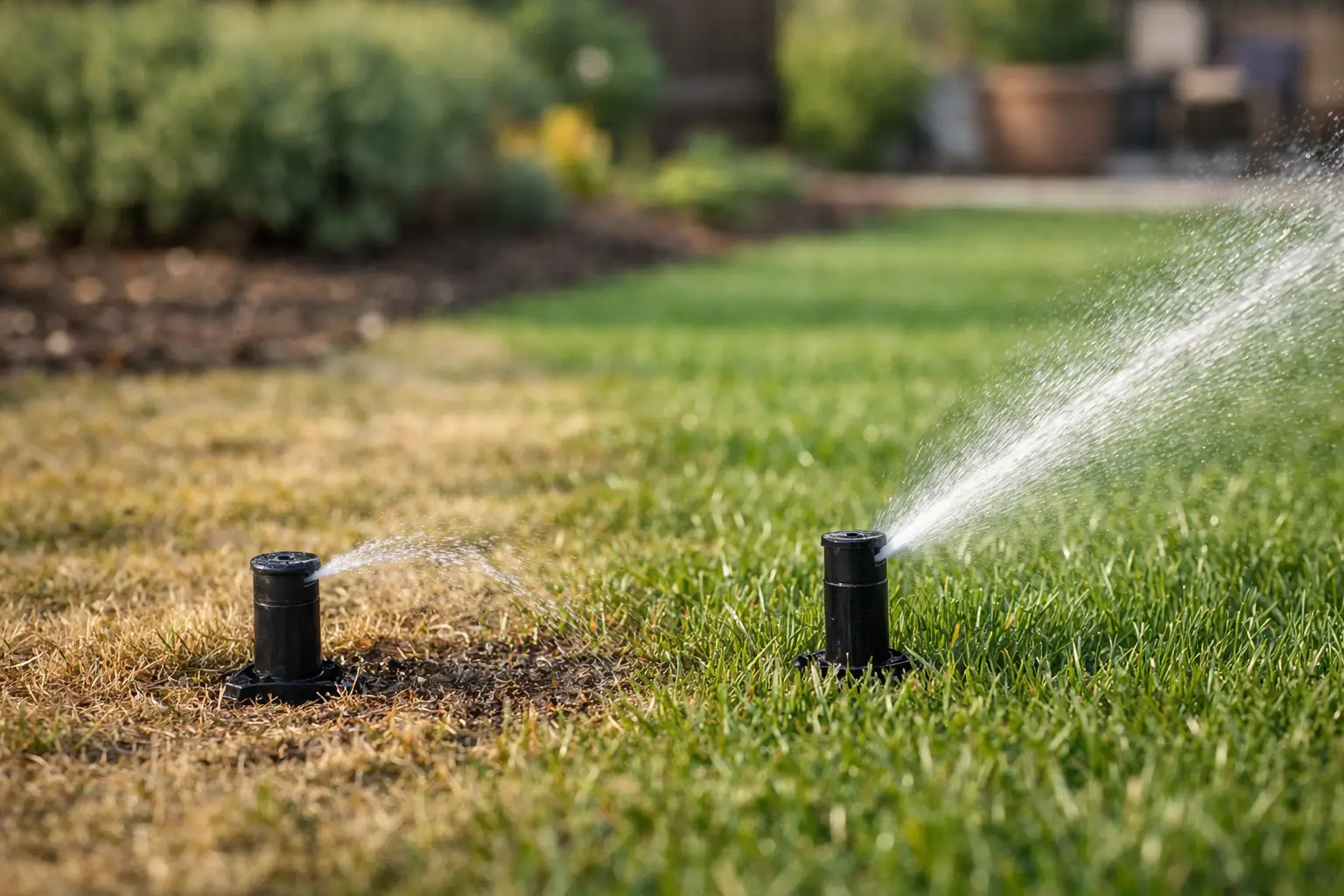
A zone that used to throw full spray across the lawn but now barely clears a few feet usually is not having a random bad day. If you are asking why are sprinkler zones weak, the answer is usually tied to pressure loss, flow restrictions, leaks, or a control issue that is keeping the zone from operating at full capacity.
Weak zones matter for more than appearance. Inconsistent coverage leaves dry areas, encourages overwatering in other spots, and puts extra stress on turf, plantings, and the irrigation system itself. In Colorado landscapes, where water efficiency and seasonal performance both matter, a weak zone is worth addressing early.
Why are sprinkler zones weak in the first place?
Most weak sprinkler zones come down to one basic problem: the zone is not getting the water volume or pressure it was designed to receive. That can happen for several reasons, and the cause is not always visible from the surface.
Sometimes the issue is isolated to one zone valve or one lateral line. Other times, the whole system has a pressure-related problem, but one zone shows it more clearly because it has more heads, longer pipe runs, or a slightly different elevation. That is why two lawns with similar symptoms can have very different repair paths.
A professional diagnosis usually starts by narrowing down whether the problem is hydraulic, mechanical, or electrical. That distinction matters because a weak spray pattern can look similar across different failures.
Low pressure is one of the most common causes
When a zone turns on and every head seems soft, short, or uneven, low pressure is often the first place to look. Pressure loss can happen at the house connection, through a backflow assembly, at the valve, or in the piping serving that zone.
If the problem affects multiple zones, the source may be upstream. A partially restricted shutoff, a pressure regulator issue, or a supply-side problem can reduce overall performance. If only one zone is weak, the pressure drop is more likely happening at that specific valve or along that zone's piping.
Pressure issues are not always dramatic. Even a moderate drop can reduce rotor distance, weaken spray fan patterns, and prevent heads from fully popping up. On properties with changing grades, elevation can make the symptom worse in higher areas of the yard.
A partially closed valve can mimic bigger problems
One simple but common issue is a valve that is not fully open. That might be a manual shutoff, a ball valve near the backflow, or the flow control on the irrigation valve itself. If a valve was adjusted during service, winterization, or a previous repair and not returned to the proper position, the zone may run but never perform correctly.
This is one reason weak zones should not be dismissed as normal aging. A small setting issue can create a large performance drop.
Leaks underground often reduce zone strength
A buried leak can steal a surprising amount of water before it ever reaches the sprinkler heads. If a zone has become weak and there is a soggy area, pooling water, or unusually green growth between heads, an underground break is a strong possibility.
Not every leak creates obvious surface water. In sandy or well-draining soil, water can disperse below grade and show up only as reduced spray distance or heads that struggle to rise. In that case, homeowners may keep increasing runtime to compensate, which wastes water without solving the actual problem.
Broken swing joints and cracked lateral lines
Two frequent culprits are cracked lateral pipes and damaged fittings near the heads. Sprinkler heads sit in active landscape areas where foot traffic, edging, settling, and seasonal freeze-thaw movement can all take a toll. A small crack near one head may weaken the whole zone enough to affect coverage elsewhere.
This is especially relevant after winter. Systems that were not fully protected, or that experienced stress from cold conditions, may show weakness during spring startup even if they seemed fine at the end of the prior season.
Valve problems can keep a zone from opening fully
A sprinkler valve does more than turn water on and off. It has to open fully and stay stable while the zone runs. If the diaphragm is worn, debris is trapped inside, or the solenoid is not operating correctly, the valve may only partially open.
When that happens, the zone can look weak across every head. It may also chatter, surge, or take longer than normal to come on. In some cases, the zone works inconsistently, which makes the issue harder to spot.
Valve problems are a common reason one zone is weak while the rest of the system seems normal. They are also easy to misread from the surface, because weak pressure and a failing valve often produce the same visible symptom.
Clogged nozzles and dirty filters create uneven performance
Not every weak zone starts with a major repair. Debris in nozzles, screens, or filters can restrict flow enough to reduce spray quality. This is especially common after line work, seasonal startup, or any event that introduces sediment into the system.
Clogging usually shows up as uneven performance within the same zone. One head may have a distorted pattern, another may not rotate properly, and another may not rise all the way. If multiple heads have partial blockages, the whole zone can appear weak even though the pressure source is acceptable.
Rotor systems and drip conversions can be especially sensitive to debris. Modern irrigation systems are efficient when they are clean and properly regulated, but they are less forgiving when sediment begins to build.
Too many heads on one zone can overload the system
Sometimes the issue is not a broken component but a design mismatch. If a zone has more sprinkler heads than the available flow can support, or if heads were added over time without recalculating demand, that zone may always struggle.
This often happens after landscape changes. A homeowner may expand a planting bed, add turf coverage, or replace one style of head with another that uses more water. The system still turns on, but the zone no longer has enough volume to operate correctly.
Mixed head types can make a weak zone look worse
A zone with rotors, sprays, and mismatched nozzles is harder to balance. Even when the pressure is technically adequate, different application rates and operating requirements can create poor coverage. Some heads may seem weak simply because the zone was never configured to perform uniformly.
That is one reason irrigation optimization matters. Weak performance is not always a single failure. Sometimes it is the cumulative effect of gradual changes that reduced efficiency over time.
Electrical issues can also play a role
Although weak zones are usually hydraulic, electrical issues can contribute. A damaged wire, poor connection, or failing solenoid may prevent the valve from opening consistently. The controller may signal the zone, but the valve response is incomplete.
This can create symptoms that come and go, especially if the connection is marginal rather than fully failed. If the zone is weak one week and normal the next, electrical testing may be part of the diagnosis.
In a professionally maintained system, these issues are often caught during seasonal service before they turn into larger coverage problems.
What homeowners should watch for
A weak zone usually gives more than one clue. Heads that do not fully pop up, short spray distance, dry patches in the same coverage area, sputtering at startup, and soggy spots between heads all point to a system that is losing performance.
The timing matters too. If the issue started right after winter, startup, landscaping work, or a repair, that context can help identify the source faster. If it developed gradually, wear, buildup, or small underground leaks become more likely.
If only one zone is weak, the cause is usually local to that valve or line. If several zones are showing the same drop in performance, it is more likely a supply-side issue or a broader system condition.
When professional sprinkler repair makes sense
The challenge with weak zones is that the visible symptom is simple, but the actual cause can vary quite a bit. Adjusting heads or increasing runtime may temporarily hide the problem, but it rarely fixes it. In many cases, that approach increases water waste while the underlying issue gets worse.
A focused service visit can determine whether the problem is a valve restriction, line leak, nozzle blockage, pressure issue, or zone design problem. For homeowners who want dependable coverage and efficient water use, that distinction matters.
On higher-value landscapes, weak irrigation is not just a convenience issue. It can affect lawn consistency, plant health, and seasonal recovery. In service areas like Parker, Castle Rock, Highlands Ranch, Lone Tree, and Southeast Aurora, where irrigation systems work through changing weather and seasonal shutdowns, regular maintenance and timely repairs help prevent small issues from turning into broad coverage failures.
If your system has a zone that no longer performs the way it should, the best next step is to treat it as a system issue rather than a simple sprinkler-head issue. A weak zone is often an early sign that the irrigation system needs professional attention before water loss and landscape stress become more noticeable.
A healthy sprinkler system should apply water evenly, predictably, and without forcing you to compensate for hidden problems.