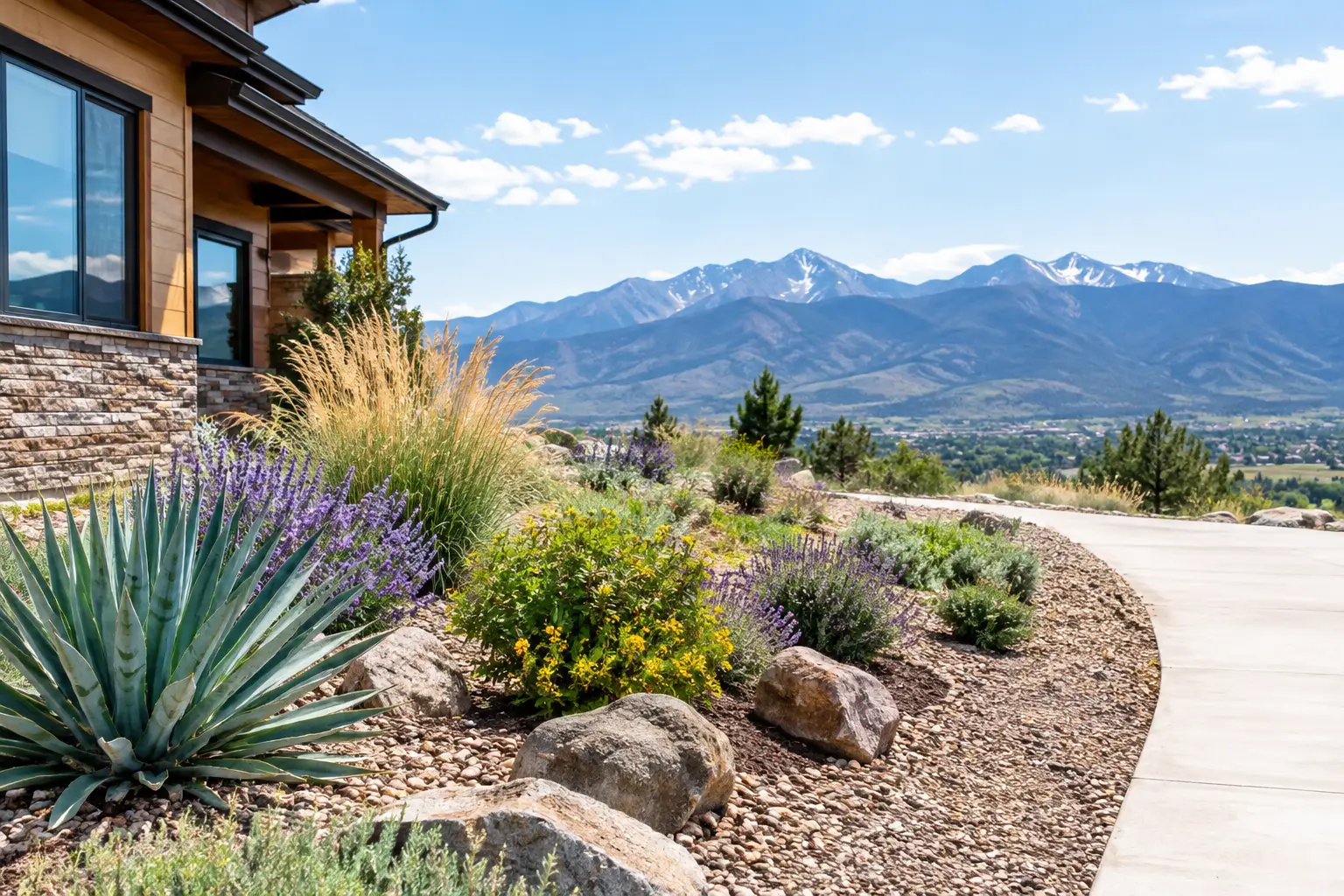
A dry patch along the driveway, a slope that burns out every July, or a lawn that needs constant attention can make homeowners wonder whether turf is still the right choice. A thoughtful xeriscape conversion planning guide helps answer that question before plants are removed or rock is delivered. Done well, xeriscaping creates a landscape that looks intentional, supports Colorado’s changing weather, and uses water where it provides the most value.
Xeriscape does not mean covering the yard in decorative stone and calling it finished. The best conversions combine efficient irrigation, healthy soil, durable hardscape, and plant material selected for the conditions of each part of the property. The goal is a landscape that is easier to manage without sacrificing curb appeal or the outdoor spaces your family enjoys.
Start With How You Use the Yard
Before selecting plants, decide which parts of the landscape need to stay functional lawn, which areas can become planting beds, and which spaces need a more durable surface. A front lawn may contribute to a clean, welcoming appearance, while a side yard that receives intense afternoon sun may be a better candidate for drought-tolerant planting. A backyard play area, dog run, or gathering space has different requirements than a visible foundation bed.
This step keeps a conversion practical. Replacing every square foot of turf is not always the best answer. Many Colorado properties benefit from a smaller, well-defined lawn in high-use areas paired with water-wise beds around the perimeter, along slopes, or in places where grass consistently struggles.
Walk the property at different times of day and note sun exposure, wind, drainage patterns, foot traffic, and views from inside the home. A planting plan should work with those conditions rather than fight them. What thrives beside a shaded north-facing entry may fail in a hot, reflected-sun area beside a south-facing driveway.
Build a Xeriscape Conversion Plan Around Water Zones
The most effective xeriscape conversion planning guide begins with hydrozones. This simply means grouping plants with similar water needs together. It allows irrigation to be scheduled accurately and prevents low-water plants from receiving the same amount of water as turf or seasonal color.
A typical residential plan may include a moderate-water zone near the home or in a more visible focal area, a low-water zone in planting beds, and a very low-water zone in the hottest or least accessible portions of the yard. Newly installed plants will still need consistent watering while roots establish. Low-water landscaping is not no-water landscaping, particularly during Colorado’s dry stretches and periods of high wind.
Existing irrigation deserves a careful review before the conversion starts. Turf spray heads are often poorly matched to shrub beds, where water can land on mulch, rock, sidewalks, and plant foliage instead of soaking into the root zone. Drip irrigation or properly designed point-source emitters are often a better fit for new beds because they apply water slowly and directly to plants.
Irrigation changes should also account for slope and soil type. Heavy clay soil, common in many Front Range neighborhoods, absorbs water slowly. Long watering cycles can cause runoff before moisture reaches the roots. Shorter cycle-and-soak schedules help water penetrate instead of flowing into the street or collecting near the foundation.
Test the Site Before Choosing Plants
Plant selection should be based on conditions, not just appearance. A healthy xeriscape includes a mix of perennials, ornamental grasses, shrubs, and small trees that offer structure through more than one season. Evergreen material can provide winter presence, while flowering perennials and grasses add color and movement during the growing season.
Colorado-native and regionally adapted plants are often strong choices because they handle temperature swings, sun exposure, and periods of limited rainfall. Still, no plant is maintenance-free. Even drought-tolerant plants need appropriate spacing, seasonal pruning, weed management, and enough water to establish a reliable root system.
Soil preparation is equally important. Compacted soil limits root growth and makes irrigation less effective. Before planting, assess drainage and amend only where the soil test and plant needs support it. Over-amending every bed can create a pocket of rich soil that holds water differently than the surrounding ground. The objective is stable, well-draining soil that encourages roots to grow beyond the original planting hole.
Keep mature plant size in mind. A landscape may look sparse immediately after installation, but plants need room to fill in. Crowding them to create an instant full look often leads to poor airflow, extra pruning, and plants competing for moisture a few years later.
Use Rock, Mulch, and Hardscape With Purpose
Decorative rock is useful in a xeriscape, but it should not become the entire design. Large rock areas can reflect heat toward the house and surrounding plants, increase summer temperatures, and leave little organic material to support soil health. Rock also does not stop weeds without proper preparation and continued maintenance.
Organic mulch is often a better choice around shrubs and perennials. It moderates soil temperature, reduces evaporation, and breaks down over time to support the soil. Keep mulch away from plant crowns and tree trunks, where excess moisture can contribute to decay.
Hardscape can reduce maintenance while making the property more usable. A defined path, expanded patio, edging, or properly placed boulders can create structure and direct foot traffic away from planting beds. These elements should also support drainage. Water should move away from the foundation and avoid pooling near walkways, patios, or low areas of the lawn.
Landscape fabric has a limited role. It can be useful beneath certain inorganic materials, but it is not a permanent weed solution in planting beds. Soil, leaves, and windblown debris eventually collect on top of fabric, creating a place for weeds to germinate. In beds with living plants, proper mulch depth, plant coverage, and routine maintenance usually produce better long-term results.
Plan the Conversion in Manageable Phases
A full-yard conversion can be completed at once, but many homeowners prefer to work in phases. Starting with the least successful turf area gives you a chance to see how the new irrigation, plants, and maintenance routine perform before changing the rest of the property.
The order of work matters. Address drainage concerns and irrigation modifications first, then remove turf, prepare soil, install hardscape or edging, plant, and finish with mulch or decorative material. Installing irrigation after plants and rock are in place can disturb finished areas and create unnecessary repairs.
Turf removal method depends on the site. Sod cutting provides immediate removal and can be effective when a bed needs to be installed promptly. Smothering grass with layers of compostable material takes longer but may suit a phased project. Herbicide-based removal is another option in specific circumstances, though timing and follow-up are critical. The best method depends on the grass type, installation schedule, surrounding plants, and site access.
Protect the Investment During Establishment
The first one to two growing seasons determine whether a xeriscape conversion succeeds. New plants need observation, especially during heat, wind, hail, and sudden temperature changes. Check soil moisture below the surface rather than relying only on how the mulch or rock looks from above.
Expect some adjustments. An emitter may need to be moved as a shrub grows, a plant may need replacement if its location proves too wet or too shaded, or a drainage route may need refinement after a heavy storm. These are normal parts of building a landscape around real property conditions.
Seasonal care remains important. Spring cleanup, irrigation inspections, weed control, pruning, and fall watering help protect plant health and preserve the clean appearance that makes xeriscaping feel like an upgrade rather than a compromise. Winter watering can be particularly valuable for evergreens and newly planted material during dry periods when the ground is not frozen.
A well-planned conversion gives each area of the yard a clear job: lawn for living, plants for color and habitat, hardscape for access, and irrigation for efficient support. For homeowners in Parker and nearby communities, that balance creates a landscape prepared for Colorado weather while keeping the property attractive, functional, and cared for year after year.