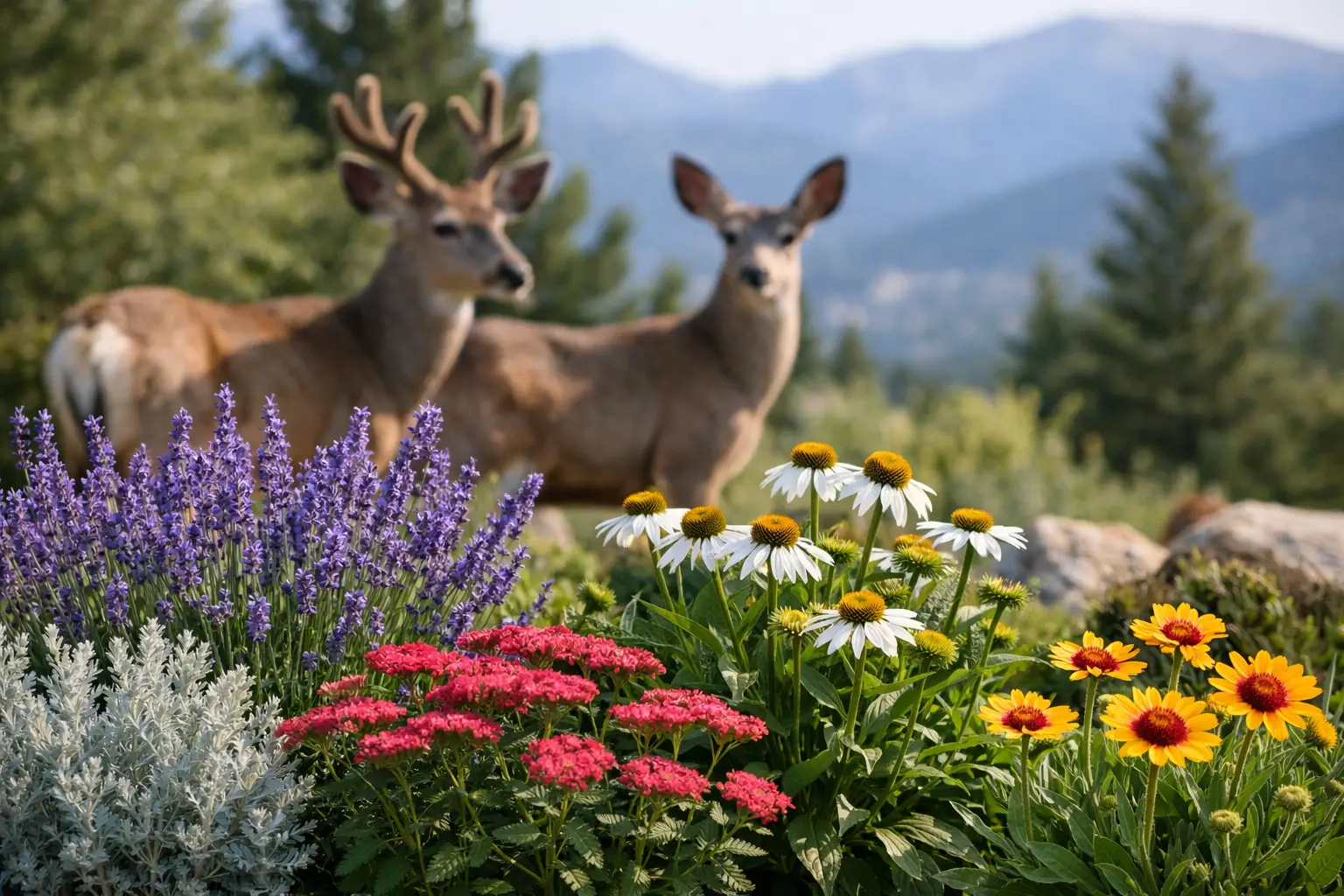
A deer can turn a carefully planted Front Range bed into a midnight buffet in one season. Choosing deer resistant plants Colorado homeowners can rely on will not make a landscape completely deer-proof, but it can greatly reduce browsing damage while keeping your property attractive, water-wise, and easier to maintain.
The most successful approach is not to plant one supposedly untouchable variety and hope for the best. It is to build layers of plants deer usually avoid, use smart placement near vulnerable areas, and give new plants enough water to establish strong roots. For homeowners in Parker, Castle Rock, Highlands Ranch, and nearby communities, that approach also needs to account for dry summers, intense sun, clay soil, wind, and winter exposure.
What Deer Resistant Really Means in Colorado
“Deer resistant” means deer are less likely to eat a plant under normal conditions. It does not mean they never will. Deer browse more aggressively when native food is scarce, during drought, after heavy snow, and when a landscape offers fresh, tender growth. Young plants are especially vulnerable.
Plants with fragrant foliage, fuzzy or coarse leaves, bitter sap, spines, or strong flavors tend to be lower on a deer’s menu. Lavender, ornamental grasses, sages, and many aromatic perennials fit that description. On the other hand, hostas, daylilies, roses, tulips, arborvitae, and many newly planted shrubs are often highly appealing.
Local deer habits matter, too. A plant ignored in one neighborhood may be sampled in another. Treat plant resistance as a helpful advantage, not a guarantee. If deer regularly travel through your yard, protective measures are still worthwhile while plants establish.
15 Deer Resistant Plants for Colorado Landscapes
These selections perform well in many Colorado residential landscapes when planted in the right location and watered appropriately during establishment. Mature water needs vary with sun exposure, soil, and weather.
1. Russian Sage
Russian sage brings silvery foliage and airy lavender-blue blooms to hot, sunny areas. Its aromatic leaves make it a dependable choice where deer are active. Give it full sun and well-drained soil, and allow room for its broad, open form.
2. Lavender
Lavender is valued for fragrance, pollinator appeal, and its neat mounded habit. It prefers sun, drainage, and restraint with irrigation once established. In heavy clay, planting it slightly high and improving drainage can make the difference between a thriving plant and one that declines after a wet period.
3. Catmint
Catmint is a long-blooming perennial with soft gray-green foliage and blue-purple flowers. It handles sun well, has a relaxed cottage-garden look, and is generally not attractive to deer. It works especially well along walkways and at the front of sunny beds.
4. Salvia
Perennial salvias offer strong color in shades of blue, purple, pink, red, and white. Their aromatic foliage helps discourage browsing, while their flower spikes support hummingbirds and pollinators. Most perform best with full sun and soil that does not stay soggy.
5. Agastache
Also called hummingbird mint or hyssop, agastache is an excellent Colorado plant for heat, sun, and dry conditions once established. The foliage is strongly scented, and the flower spikes provide color for a long portion of the growing season. Choose varieties suited to your available space, since mature sizes differ.
6. Yarrow
Yarrow has fern-like foliage and flat flower clusters that hold up well in summer heat. It is durable, drought-tolerant after establishment, and commonly left alone by deer. Yellow, white, pink, and warm sunset tones allow it to work in both naturalistic and more structured planting designs.
7. Blanket Flower
Blanket flower adds bright red, orange, and yellow blooms to full-sun beds. It is a practical option for homeowners who want seasonal color without creating a high-water planting area. Good drainage is essential, particularly through winter.
8. Blue Mist Spirea
Blue mist spirea is a compact shrub with blue flowers that arrive when many summer perennials begin to fade. Its aromatic foliage and later bloom period make it useful in deer-prone landscapes. Plant it in full sun and avoid overwatering once it is established.
9. Potentilla
Potentilla is a tough, compact flowering shrub suited to sunny Colorado properties. It produces cheerful blooms for much of the season and handles a range of soil conditions. Deer usually pass it by, although no shrub should be considered fully protected during a difficult winter.
10. Barberry
Barberry earns its place primarily through thorny stems and colorful foliage. Deep burgundy, chartreuse, and orange-toned varieties can add contrast to a planting bed, and deer usually avoid the spines. Select noninvasive varieties appropriate for residential use, and place them away from areas where their thorns may affect foot traffic.
11. Juniper
Junipers are useful for year-round structure, slopes, foundation planting, and low-water landscape areas. Their prickly foliage is typically unappealing to deer. Upright, spreading, and compact forms make it easier to choose a variety that fits the scale of the home and planting bed.
12. Ornamental Grasses
Blue fescue, feather reed grass, little bluestem, and switchgrass add movement, texture, and winter interest. Deer generally do not favor mature grasses, though tender new growth can occasionally be nibbled. Grasses also pair well with flowering perennials because they provide structure after blooms fade.
13. Penstemon
Penstemon is a Colorado favorite for its tubular flowers and ability to support hummingbirds. Many varieties handle dry conditions well after establishment, especially in sunny, well-drained locations. Deer resistance varies by variety and local browsing pressure, so use penstemon as part of a mixed planting rather than your only line of defense.
14. Columbine
Colorado columbine brings delicate spring flowers to part-sun beds and can also perform in morning sun with afternoon protection. Deer often leave it alone, though hungry animals may still sample it. Its softer texture is a nice contrast against grasses, salvias, and evergreen shrubs.
15. Daffodils
For spring bulbs, daffodils are among the most dependable choices in areas visited by deer. Their foliage and bulbs contain compounds that deer avoid. Plant them in groups near entries, along bed edges, or among later-emerging perennials to create early color without inviting the same attention as tulips.
Design Deer Resistant Plantings in Layers
A mixed planting is more resilient and more visually effective than repeating one plant throughout the yard. Use lower perennials such as catmint, lavender, and yarrow near bed edges. Add medium-height salvias, agastache, and grasses through the center. Place junipers, potentilla, or blue mist spirea toward the back or in foundation areas for permanent structure.
This layered method does more than improve curb appeal. It keeps seasonal gaps from becoming obvious, creates texture in winter, and limits the damage if deer decide to test one plant. A bed made entirely of one “resistant” perennial can still look sparse if browsing occurs or a single variety struggles with a weather extreme.
Consider sightlines, too. Deer may be more likely to linger in quiet, sheltered corners of the property. Use less-palatable plants along common travel routes, at the edge of open space, and around garden beds with plants deer strongly prefer. If you are protecting a vegetable garden, fruit trees, or newly planted evergreens, a physical barrier is usually more reliable than plant selection alone.
Irrigation and Establishment Matter
Water-wise does not mean water-free. Even drought-tolerant plants need consistent moisture while developing roots, usually through their first growing season and sometimes longer in exposed or difficult sites. Deep, targeted watering is more effective than frequent shallow irrigation because it encourages roots to move down into the soil.
Overwatering is just as damaging as underwatering for many deer-resistant plants. Lavender, Russian sage, agastache, and several grasses can struggle when irrigation runs too often or drainage is poor. Separate plants with similar water needs into the same irrigation zone whenever possible. That gives each part of the landscape a better chance to perform as intended.
Mulch also helps conserve moisture, moderate soil temperatures, and reduce weeds, but keep it pulled back from stems and crowns. In Colorado’s clay-heavy soils, proper grading and drainage can be as important as the plant choice itself.
When Plants Alone Are Not Enough
If deer pressure is high, especially in winter or around new installations, add temporary protection. Individual cages, trunk guards, netting, and well-placed fencing can protect plants during the period when they are most appealing and least able to recover from damage. Repellents can help, but they need regular reapplication and tend to be less dependable after rain, snow, or irrigation.
Avoid relying on one tactic. A combination of resistant plants, thoughtful placement, sound irrigation, and targeted physical protection produces the best long-term result. It also protects the time and care invested in your landscape.
A well-planned Colorado garden should feel like part of your property, not a feeding stop. Start with plants suited to your sun, soil, and irrigation layout, then protect the few vulnerable favorites that make the space feel personal. That balance creates a landscape that looks established, performs through changing seasons, and gives deer fewer reasons to stay.